| Name | Court Room | Time |
|---|---|---|
| A** Richmond v J** P** L** A** J** D** T** T** as C** Constructions | Court Room | 9:15 am |
Last updated: 04 Sep 2026, 2:57 am. Names are partially masked for privacy. Details may change — always check with the Registry.
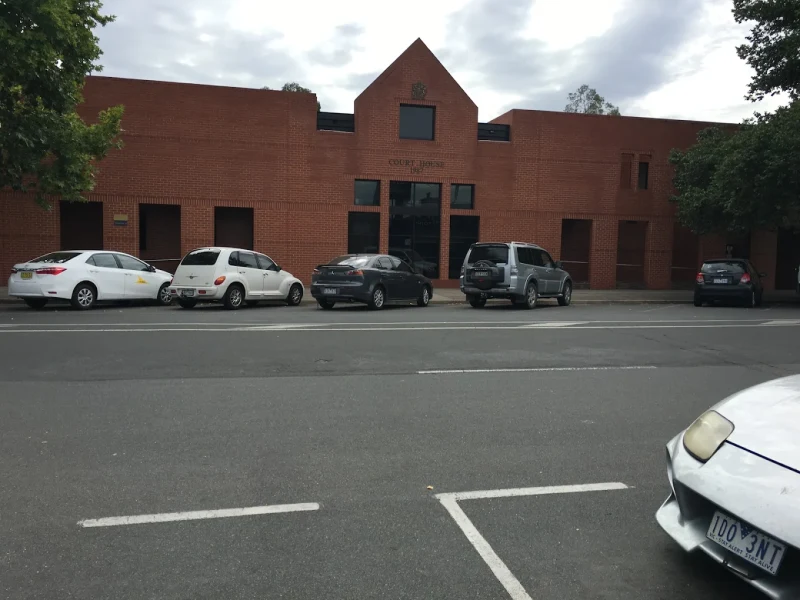
The Albury NCAT Consumer and Commercial Division list sets out the tenancy disputes, consumer claims and commercial matters scheduled to be heard by the NSW Civil and Administrative Tribunal at the Albury Court House on Kiewa Street, Albury NSW 2640. As a regional sitting location in the Riverina and Murray area, Albury serves residents and businesses across the border district, giving parties a local venue rather than requiring travel to Sydney. The daily list shows the parties, the allocated court room and the listing time, so applicants, respondents, tenants, landlords, agents and legal representatives can plan their attendance and confirm when their matter is expected to be called.
NCAT is not a traditional court. It is an independent tribunal established under the Civil and Administrative Tribunal Act 2013 that resolves everyday civil disputes using plain language, informal procedure and a strong emphasis on early settlement. The Consumer and Commercial Division is the busiest of NCAT's four divisions, and the Albury CCD list reflects that same mix of residential and commercial disputes at a local level.
What the Consumer and Commercial Division Handles in Albury
The Consumer and Commercial Division has one of the broadest jurisdictions in the NSW justice system. Matters listed at Albury generally fall into two families: housing and property disputes, and disputes between consumers and businesses. Understanding which category your matter sits in helps you identify the correct application, the applicable fee and the likely hearing pathway.
Housing and property matters
- Residential tenancy and social housing disputes, including bonds, rent, repairs, termination and possession
- Boarding houses, residential communities and holiday parks
- Strata and community scheme disputes
- Home building claims and defective work
- Retirement villages and agricultural tenancy
- Dividing fences disputes between neighbours
Consumer and business matters
- Consumer claims about faulty goods or unsatisfactory services
- Motor vehicle disputes
- Retail lease disputes between landlords and tenants of retail premises
- Agent commissions and fees, and conveyancing costs
- Pawnbrokers and second-hand dealer matters
Tenancy is the single largest source of work in this division, which is why so many Albury CCD listings involve a landlord or agent on one side and a tenant on the other, or a social housing provider pursuing possession or rental arrears.
Albury supports several jurisdictions in the one district, so it helps to know which list applies to your matter. Criminal and civil court proceedings are handled separately at the Albury Local Court, while serious indictable matters and appeals from the Local Court are heard at the Albury District Court. If your dispute is a tenancy, consumer or strata claim, the NCAT list is the correct place to look. Confirm the venue and jurisdiction before you travel.
NCAT by the Numbers: The Statewide Workload Behind Every Albury List
The volume of matters moving through NCAT gives useful context for anyone waiting for an Albury hearing. According to NCAT's 2024/25 Annual Report, tabled in NSW Parliament in 2026, the Tribunal recorded a substantial and rising caseload across the state.
- 73,724 applications lodged in 2024/25, a 3.5% increase on the previous year
- 124,736 hearings and other listing events, including hearings, case conferences, conciliation, directions and mediation sessions
- Listings held in 45 locations across NSW, Albury among the regional venues
- 70,693 matters finalised, producing an overall clearance ratio of 95.9%
- 655 internal appeals lodged during the year
The trend over recent years shows how consistent this demand has been. Applications lodged sat at 69,735 in 2019/20, rose to 76,437 in 2022/23, eased to 71,223 in 2023/24, then climbed again to 73,724 in 2024/25. For parties, a high clearance ratio close to 96% is encouraging, because it indicates the Tribunal is finalising almost as many matters as it receives rather than building a large backlog.
Online lodgement in the Consumer and Commercial Division
The Consumer and Commercial Division is the most digitised part of NCAT. In 2024/25, 83.3% of applications in this division were lodged online, continuing a pattern that has held above 80% every year since 2019/20 and peaked at 85.4% in 2022/23. For Albury applicants, this means most tenancy, consumer and strata applications can be started from home through NCAT Online Services rather than in person, with the local list simply confirming when the matter will be heard.
How Matters Reach the Albury CCD Hearing List
Most Consumer and Commercial matters follow a two-stage pathway. Tenancy and social housing cases are usually first listed for conciliation and hearing on the same day. Conciliation is a confidential, member-assisted discussion where the parties try to reach agreement. A large share of disputes settle at this point, which keeps costs down and shortens the process. If conciliation does not resolve the matter, it can be relisted for a contested hearing on a later date, where a Tribunal member listens to both sides, considers the evidence and makes a legally binding decision.
As a general guide, many Consumer and Commercial matters move from lodgement to a final outcome within a few months, though complex home building or strata disputes with multiple parties and expert evidence can take longer. Because Albury is a regional registry, sitting days are scheduled periodically rather than daily, so checking the current list before travelling is important.
NCAT Application Fees for Consumer and Commercial Matters
NCAT fees are prescribed under the Civil and Administrative Tribunal Regulation 2022 and are indexed each year, usually rising on 1 July in line with the Consumer Price Index. The figures below reflect the schedule that applied from 1 July 2025 and are a useful benchmark, although you should always confirm the current amount before lodging.
- Residential proceedings (tenancy, social housing, residential communities, retirement villages): $62 standard, $124 for a corporation, $16 concession
- General consumer or commercial claim of $10,000 or less (or where no amount is specified): $62 standard, $124 corporation, $16 concession
- Claim over $10,000 and up to $30,000: $128 standard, $256 corporation, $32 concession
- Claim over $30,000: $330 standard, $660 corporation, $83 concession
- Strata and community scheme general application: $128 standard, $256 corporation, $32 concession
- Retail lease matter: $127 standard, $254 corporation, $32 concession
The concession rate is set at 25% of the full fee and applies to eligible pensioners, holders of a grant of legal aid and people assisted by a community legal centre. Have your concession card ready when you lodge so the reduced fee can be applied.
Monetary limits you should know
The Consumer and Commercial Division can hear consumer claims valued up to $40,000 and home building claims up to $500,000. If your claim exceeds the relevant limit, a court may be the more appropriate venue, so it is worth checking the threshold for your dispute type before you apply.
Reading the Albury NCAT CCD Daily List
Each entry on the Albury list identifies the parties to the matter, the court room and the scheduled time. Party names are commonly shown in an abbreviated or partially masked form to protect the privacy of individuals involved in tribunal proceedings. Listing times are indicative rather than exact, because a busy sitting day can run ahead of or behind schedule depending on how long earlier matters take.
The authoritative source for hearing details is the NSW Online Registry Court and Tribunal Lists. You can search there by case file number, for example in the format 2014/00001234, or by party name. Select NCAT as the jurisdiction and choose Albury as the venue. Lists are typically published up to three weeks ahead, and the free Search NSW Court Lists app lets you check listings from a mobile device. If anything is unclear, the Consumer and Commercial Division Registry can be reached on 1300 006 228 during business hours.
Preparing for a Hearing at the Albury Registry
Most people represent themselves at NCAT, and the process is designed to be approachable without a lawyer. Good preparation makes a real difference to the outcome.
- Read your notice of hearing carefully and note the date, time and venue
- Organise your documents in date order, including the tenancy agreement, contract, invoices, photos, quotes and any correspondence
- Bring copies for the Tribunal member and for the other party
- Prepare a short, clear summary of what happened and the specific orders you are seeking
- Arrive early, allow time for security screening and check the daily list for your court room
- Consider contacting a Tenants Advice and Advocacy Service or NSW Fair Trading beforehand for free guidance
Frequently Asked Questions
What is the Albury NCAT Consumer and Commercial Division list?
It is the published schedule of Consumer and Commercial Division matters set down to be heard at the Albury Court House on a given sitting day. It covers tenancy, consumer, strata, home building and related disputes, showing the parties, the court room and the listing time.
Where are Albury NCAT CCD hearings held?
Hearings take place at the Albury Court House on Kiewa Street, Albury NSW 2640, which operates as a regional NCAT sitting location for the surrounding district.
How do I find my case on the Albury NCAT list?
Search the NSW Online Registry Court and Tribunal Lists using your case file number or a party name, then select NCAT as the jurisdiction and Albury as the venue. Listings are usually available up to three weeks in advance.
Why are the names on the list partially masked?
Names are abbreviated to protect the privacy of the individuals involved. The full details are held by the Registry, and you should always confirm your matter directly with NCAT before attending.
How much does it cost to lodge a Consumer and Commercial application?
As at 1 July 2025, residential and smaller consumer claims cost $62 for an individual, with higher fees for larger claims and for corporations. Eligible concession card holders pay 25% of the standard fee. Fees are usually indexed each year on 1 July, so check the current amount before lodging.
Do I need a lawyer for an NCAT hearing in Albury?
No. Most parties represent themselves at NCAT, and the Tribunal uses informal procedures and plain language. In some matters you may seek leave to be represented, but self-representation is the norm in the Consumer and Commercial Division.
What is the difference between conciliation and a hearing?
Conciliation is a confidential, member-assisted discussion aimed at reaching agreement, and many disputes settle at this stage. If agreement is not reached, the matter proceeds to a hearing where a Tribunal member weighs the evidence and makes a binding decision.
How long does a Consumer and Commercial matter take?
Many matters are finalised within a few months of lodgement, and NCAT's statewide clearance ratio of 95.9% in 2024/25 reflects a steady turnover. Complex home building and strata disputes involving expert evidence can take longer.
NCAT sits periodically at Albury rather than every day, so parties near the border sometimes have their matter listed elsewhere. Just across the Murray, tenancy and consumer disputes on the Victorian side are handled through VCAT at the Wodonga Magistrates' Court complex. Within New South Wales, the Riverina also runs Consumer and Commercial lists at the Wagga Wagga NCAT registry. Check which registry serves your address so you attend the right sitting.