| Name | Court Room | Time |
|---|---|---|
| G** NETO | Unassigned | 9:30 am |
| G** D** NETO | Unassigned | 9:30 am |
Last updated: 05 Aug 2026, 2:59 am. Names are partially masked for privacy. Details may change — always check with the Registry.
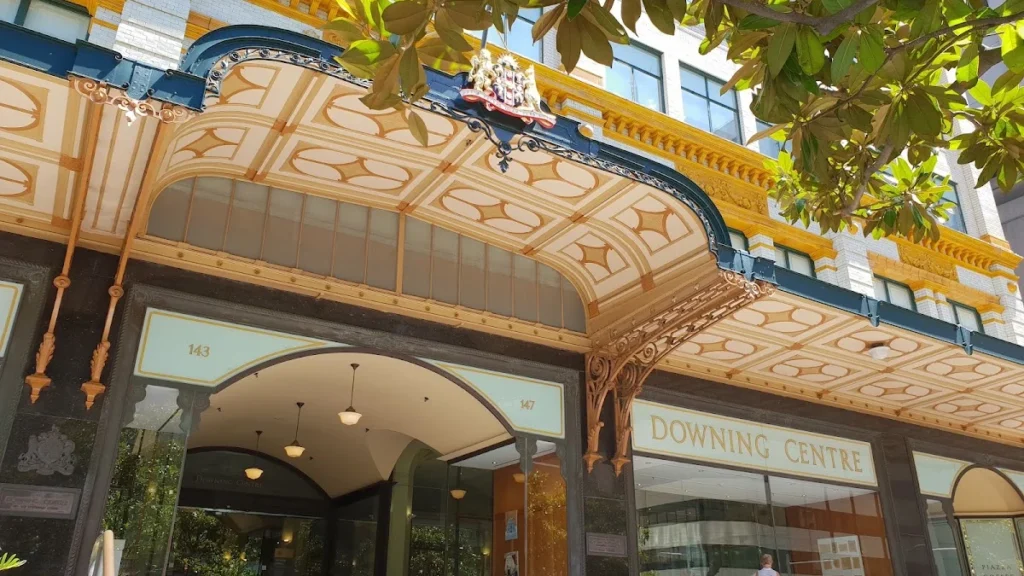
Central Local Court is one of the busiest first-instance courts in New South Wales, sitting within the Downing Centre court complex at 143-147 Liverpool Street in the Sydney central business district. It forms part of the Local Court of New South Wales, the tier of the justice system where almost every criminal and civil case in the state begins. Because so much of the daily volume of Sydney CBD matters flows through this location, the Central Local Court list changes constantly, so understanding what the court does, how it is structured and what to expect can save you time and stress before a hearing.
Where Central Local Court Fits in the NSW Court System
The Local Court of New South Wales is the entry point for the overwhelming majority of legal matters in the state. According to the Local Court's own published history, around 98% of all criminal and civil cases in NSW are finalised at Local Court level, which makes it the busiest court in Australia. In a significant change, from 2026 the officers who preside over these matters, previously known as Magistrates, became Judges of the Local Court, aligning their title with the rest of the NSW judiciary.
Above the Local Court sit the District Court, the Supreme Court, and the appellate courts. Serious indictable matters that begin at Central Local Court, such as those involving alleged armed robbery or serious assault, may be committed to the District or Supreme Court for trial or sentence once their preliminary stages are complete.
The Downing Centre Court Complex
The Downing Centre is the main court complex in Sydney's CBD and houses both Local and District Court rooms across multiple levels. The building has an unusual back story: it was originally constructed in 1908 as the Mark Foy's department store, then converted into a court complex that opened in 1985. It was named after Reg Downing, a former NSW Attorney General and Minister for Justice. Local Court matters are generally heard on the upper levels of the building, while District Court trials occupy the lower and ground levels.
The Heritage Central Court House
The Central Local Court name has deep roots in the same precinct. The historic Central Court House at 98 Liverpool Street, also known as the Central Police Court, was completed in 1892 and designed by Colonial Architect James Barnet, with construction supervised by Walter Liberty Vernon. It holds state historical significance as the first purpose-built police court in the NSW justice system and was added to the New South Wales State Heritage Register on 2 April 1999. Today the Central Local Court list operates from within the Downing Centre precinct, keeping the long-standing "Central" name attached to Sydney's high-volume city court work.
What Matters Does Central Local Court Hear?
As a Local Court venue, Central Local Court deals with a broad mix of criminal, traffic, civil and related matters. Most cases that appear on the daily list are at an early or intermediate stage, such as a first mention, a plea, a sentencing, or a defended hearing.
Criminal Jurisdiction
The Local Court finalises the vast majority of criminal charges in NSW. It hears summary offences in full and deals summarily with many indictable offences that are permitted to remain in the Local Court under the Criminal Procedure Act 1986. Typical matters include:
- Common assault and low-level violence offences
- Theft, shoplifting and property damage
- Drug possession and minor supply matters
- Offensive behaviour and public order offences
- Breaches of court orders and bail conditions
For more serious indictable charges, the court conducts committal proceedings to decide whether there is sufficient evidence to send a matter to a higher court.
Traffic and Licence Matters
Traffic offences form a large part of the daily workload. These include drink driving and drug driving, driving while suspended or disqualified, negligent driving, and speeding matters that carry a court attendance notice. The Local Court also hears licence appeals, including appeals against decisions to suspend or refuse a driver licence.
Civil and AVO Matters
On the civil side, the Local Court decides money and property disputes valued up to $100,000. It also makes and varies Apprehended Violence Orders (AVOs), which protect people from threats, harassment, stalking and violence. Apprehended Domestic Violence Orders make up a growing share of the court's work across the state.
Bail Applications
Bail is one of the most time-critical functions of any city court. When police refuse bail after charging a person, that person must be brought before a court as soon as reasonably practicable so a judicial officer can decide whether to grant or refuse bail under the Bail Act 2013 (NSW). Since late 2024, NSW has centralised first-instance bail decisions through a dedicated Bail Division of the Local Court, which now operates seven days a week and hears matters by audio-visual link.
Committal is where the pathway upward becomes real. Once a serious indictable charge clears its preliminary stages at Central, the brief moves across the precinct to the trial courts. Sydney District Court trials and sentences are handled through the Downing Centre District Court list, while the gravest matters, such as murder, proceed to the Supreme Court in Sydney. Checking the right list matters, because a committed matter drops off the Local Court list entirely.
Central Local Court and the NSW Local Court by the Numbers
The scale of the Local Court system helps explain why a city list such as Central can move so quickly. The most recent verified figures from the NSW Bureau of Crime Statistics and Research (BOCSAR) and the Local Court of NSW include:
- NSW Criminal Courts finalised 151,113 court appearances in 2024/25, an increase of 7.4% on the previous year.
- Local Court finalisations rose 7.7%, up by 10,168 matters to 141,616 in 2024/25.
- Domestic violence related finalisations increased 12.1% and now account for 27.1% of all Local Court finalisations, up from 26.0% a year earlier.
- The median time from arrest to finalisation for a defended hearing was 263 days in 2024/25, which was 16 days faster than the year before.
- The share of proven defendants receiving a custodial penalty rose from 9.1% to 10.0%, with the number of custodial penalties up 16.8% to 13,035.
- In a single year, the Local Court completed 39,841 first-instance adult bail and detention applications, according to the Chief Magistrate.
These statewide numbers give useful context for anyone attending Central Local Court, because they show both the high throughput of the Local Court and the growing weight of domestic violence and bail work that shapes daily city lists.
Operating Hours and Registry Information
The Downing Centre generally opens its doors from 9:00am, and court rooms begin hearing the day's matters from 9:30am on weekdays. The registry operates Monday to Friday, and telephone enquiries are handled during business hours. Key details include:
- Address: Level 4, Downing Centre, 143-147 Liverpool Street, Sydney NSW 2000
- General phone: 1300 679 272
- Registry hours: 9:00am to 4:30pm, Monday to Friday
- Sitting times: Court rooms from 9:30am on weekdays
Always confirm your court room and time against the official daily list, as room allocations at a busy venue can change at short notice.
Getting to Central Local Court
Public Transport
The court is well served by Sydney's rail network. Museum Station on the City Circle line is the closest, sitting almost directly beneath the precinct, while Town Hall and Central stations are both within an easy walk. Numerous bus routes run along Elizabeth Street, Oxford Street and Liverpool Street.
Parking
Street parking in the CBD is limited and time-restricted. Paid parking is available nearby at World Square and the Goulburn Street car park, both a short walk from the Liverpool Street entrance. Allowing extra travel time is wise, particularly during weekday peak periods.
Accessibility
The Downing Centre is wheelchair accessible, with lifts, ramps and accessible restrooms. Interpreter services and hearing assistance can be arranged in advance through the registry, and audio-visual link facilities are available for eligible remote appearances.
What to Expect on Your Court Date
A busy city court rewards preparation. To keep your appearance as smooth as possible:
- Arrive at least 30 minutes early to allow for security screening at the entrance.
- Bring photo identification and any documents relating to your matter, such as a court attendance notice.
- Check the electronic list in the foyer or the online list to find your court room.
- Switch mobile phones to silent, and remember that food, drink and photography are not permitted inside court rooms.
- Dress neatly and plan to wait, as lists are usually called in an order set by the court.
If you are unsure about your matter, obtaining legal advice before your date is strongly recommended. The information published in a court list is administrative only and does not replace guidance from a qualified lawyer.
How to Read the Central Local Court List
The daily Central Local Court list shows the parties scheduled to appear, along with their allocated court room and listing time. Names are commonly displayed in a partially masked form to protect privacy. Because matters can be adjourned, added or moved between rooms right up to the morning of the hearing, the list is a guide rather than a guarantee. Anyone relying on it should verify details directly with the registry before attending.
Frequently Asked Questions
Is Central Local Court the same as Downing Centre Local Court?
They are closely connected and share the same Liverpool Street precinct. The Central Local Court list covers high-volume city matters, while the Downing Centre houses the broader complex of Local and District Court rooms. For practical purposes, most visitors attend the same 143-147 Liverpool Street location.
What is the difference between a Local Court and a District Court matter?
Local Court matters are heard by a single judicial officer without a jury and cover summary offences and less serious indictable charges. District Court matters involve more serious indictable offences and can be heard by a judge and jury. Many serious cases begin in the Local Court and are then committed to a higher court.
What happens if I miss my court date?
Missing a listed court date is serious and can lead to a matter being decided in your absence or a warrant being issued for your arrest. If you cannot attend, contact the registry as early as possible and seek legal advice immediately.
Can I appear by audio-visual link?
In many circumstances, yes. The court uses audio-visual link facilities for eligible appearances, and bail matters in particular are now heard remotely through the centralised Bail Division. Confirm eligibility and arrangements with the registry or your lawyer before the date.
How do I confirm my hearing details?
Check the daily court list and, if in any doubt, contact the registry on 1300 679 272 during business hours. Court lists can change without notice, so a direct check with the registry is the most reliable way to confirm your court room and time.
People often reach this page while hunting for a different Sydney list. If your matter sits in the broader building rather than the city list, the Sydney Downing Centre local court list may be the one you need for today or tomorrow. Eastern suburbs matters are sometimes finalised at Waverley Local Court instead. When in doubt, confirm the venue before you travel, since a wrong building can cost you the morning.